


Solar Roofing vs Traditional Roofing in the Bay Area: What Homeowners Should Know
- Jun 18
- 7 min read
In Milpitas and throughout the Bay Area, roofing decisions have become more important than ever. Homeowners are no longer choosing a roof based only on appearance or initial cost. Energy efficiency, long-term savings, sustainability, and California’s changing climate standards now play a major role in the decision-making process.
As solar technology becomes more accessible, many property owners are asking the same question: should you invest in solar roofing or stick with a traditional roofing system?
The answer depends on your home, your goals, and the condition of your current roof. Both options offer advantages, but Bay Area homeowners need to consider local weather patterns, energy costs, and long-term property value before making a final decision.
At Apollo Roofing Company in Milpitas, we help homeowners and commercial property owners evaluate roofing systems that make sense for California living. Understanding the differences between solar roofing and traditional roofing is the first step toward making a smart investment.

Why Roofing Choices Matter More in the Bay Area
The Bay Area presents unique roofing challenges that directly impact performance and lifespan. While Milpitas enjoys relatively mild weather compared to other parts of the country, roofing systems here still deal with significant year-round exposure to UV rays, seasonal rain, fluctuating temperatures, and occasional high winds.
California’s energy costs also continue to rise. According to the U.S. Energy Information Administration, California residential electricity prices consistently rank among the highest in the nation. That reality has pushed many homeowners toward energy-efficient upgrades, including solar roofing systems.
At the same time, California continues to strengthen energy efficiency standards through Title 24 building requirements and sustainable construction initiatives. Roofing is no longer just about protection from the elements. It has become part of a property’s overall energy strategy.
Understanding Traditional Roofing Systems
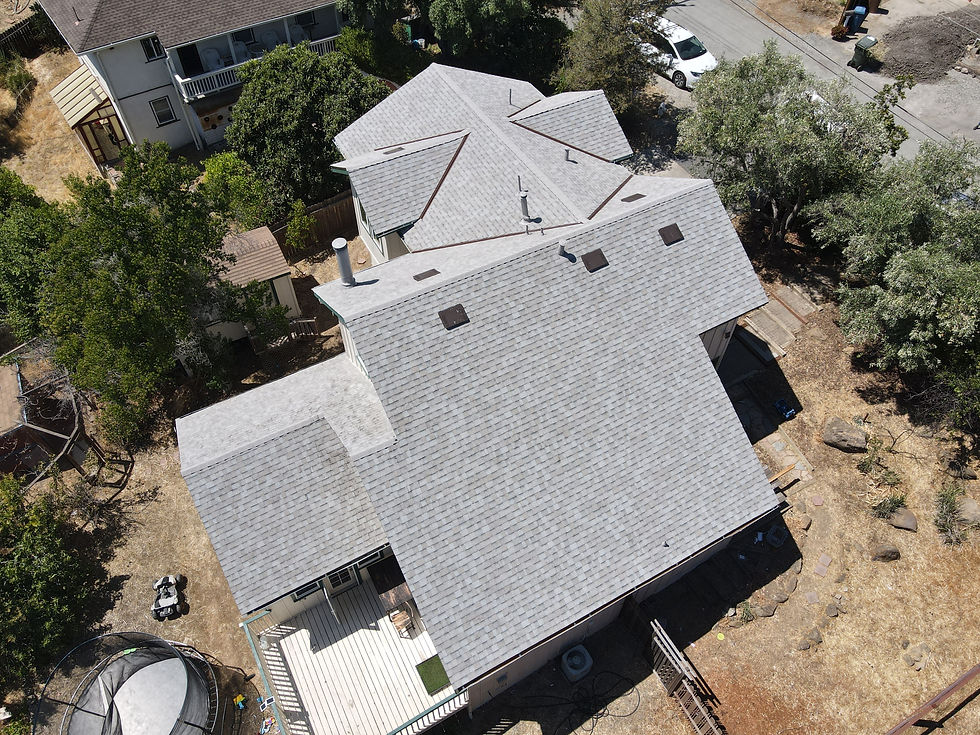
Traditional roofing refers to standard roofing materials installed primarily for weather protection, durability, and curb appeal. In Milpitas, the most common traditional roofing systems include asphalt shingles, tile roofing, metal roofing, and flat roofing systems for commercial buildings.
Asphalt shingles remain popular because they are affordable and versatile. Tile roofing performs exceptionally well in California climates because it handles heat effectively and offers impressive longevity. Metal roofing has also gained popularity due to its energy efficiency and durability.
A properly installed traditional roof can last anywhere from 20 to 50 years depending on the material. Many modern roofing systems are now designed with reflective technology that helps reduce heat absorption, making them more energy-efficient than older roofs.
Traditional roofing systems generally require less upfront investment compared to solar roofing. Installation timelines are also shorter, and repairs tend to be simpler.
For homeowners focused primarily on roof replacement, weather protection, or improving curb appeal, traditional roofing often remains the most practical option.

What Is Solar Roofing?
Solar roofing combines roofing materials with solar energy technology. Some systems involve installing solar panels on top of a traditional roof, while newer solar roofing products integrate solar cells directly into roofing materials themselves.
Solar roofing allows homeowners to generate electricity from sunlight while protecting the structure underneath.
In sunny climates like Milpitas, solar systems can significantly offset electricity costs. California receives an average of over 250 sunny days annually in many regions, creating favorable conditions for solar energy production.
Modern solar roofing systems are more efficient and visually appealing than earlier generations. Many homeowners appreciate the cleaner look of integrated solar shingles compared to traditional rack-mounted panels.
Commercial property owners are also increasingly investing in solar roofing to reduce operational expenses and meet sustainability goals.

Energy Savings in the Bay Area
One of the biggest advantages of solar roofing is long-term energy savings.
Electricity rates in California have steadily increased over the past decade. For homeowners running air conditioning systems during warmer Milpitas summers, utility costs can become significant.
Solar roofing systems help offset those costs by generating renewable energy onsite.
According to the Solar Energy Industries Association, California leads the nation in solar adoption, with millions of homes already using solar technology. Many homeowners report substantial reductions in monthly utility bills after installing solar systems.
The amount saved depends on factors such as roof orientation, shading, system size, and household energy usage. South-facing roofs with minimal tree coverage generally perform best.
Traditional roofing systems do not generate electricity, but energy-efficient roofing materials can still help reduce cooling costs by reflecting sunlight and improving insulation performance.
Cool roofing systems, reflective coatings, and proper attic ventilation can all improve energy efficiency without the higher upfront cost of solar installation.
Upfront Cost Differences
Cost remains one of the biggest deciding factors between solar roofing and traditional roofing.
Traditional roofing systems typically involve lower upfront costs. Asphalt shingle roofs are often the most budget-friendly option, while tile and metal systems require larger investments but offer longer lifespans.
Solar roofing systems require a more substantial initial investment because they include both roofing materials and energy generation technology.
However, federal tax incentives and California solar programs can help reduce installation costs. The federal solar tax credit currently allows eligible homeowners to deduct a percentage of solar installation costs from federal taxes.
Long-term savings can offset the initial investment over time, especially for households with high electricity usage.
Still, solar roofing may not make financial sense for every property owner. Factors like roof age, shading, and future plans for the property should all be evaluated carefully.
If a roof already needs replacement, combining a new roof installation with solar integration can often provide better overall value than adding solar later.
Roof Lifespan and Durability
Roof longevity is another important consideration for Bay Area property owners.
Traditional roofing materials vary significantly in lifespan. Asphalt shingles generally last 20 to 30 years. Tile roofs can last over 50 years with proper maintenance. Metal roofing systems can also exceed several decades of performance.
Solar panels themselves are highly durable. Many manufacturers offer warranties ranging from 20 to 25 years. Most panels continue functioning beyond warranty periods, though efficiency may gradually decline over time.
The durability of a solar roofing system depends heavily on installation quality. Improperly installed solar systems can create roofing vulnerabilities, including leaks or structural stress.
That is why it is critical to work with experienced roofing professionals who understand both roofing systems and solar integration.
In Milpitas, roofs must withstand prolonged UV exposure throughout the year. Heat and sunlight gradually break down roofing materials over time, making professional installation and proper ventilation especially important.

Maintenance Requirements
Traditional roofing systems generally require less specialized maintenance.
Routine inspections, gutter cleaning, and occasional repairs are usually sufficient to maintain roof performance. Tile roofs may require occasional replacement of cracked tiles, while asphalt shingles can experience wear over time due to sun exposure.
Solar roofing systems require additional monitoring to maintain optimal energy production. Dust, debris, and shading can reduce efficiency. Fortunately, Bay Area rainfall often helps clean solar panels naturally during wetter months.
Homeowners should still schedule periodic inspections to ensure both the roofing system and solar components remain in good condition.
Commercial buildings with flat roofing systems and solar arrays may require more consistent maintenance planning due to larger surface areas and drainage considerations.
Impact on Property Value
Energy-efficient upgrades continue to influence home values throughout California.
Studies from the National Renewable Energy Laboratory have shown that homes with solar systems often sell at higher prices compared to similar homes without solar.
Buyers are increasingly attracted to lower utility costs and environmentally conscious features.
However, the value increase depends on system ownership. Owned solar systems generally provide stronger resale benefits than leased systems.
Traditional roofing upgrades also improve property value, especially when replacing an aging or damaged roof. A new roof signals proper maintenance and reduces concerns for potential buyers.
In competitive Bay Area real estate markets, both roofing upgrades and solar improvements can make properties more appealing.
Environmental Considerations
Sustainability has become a major focus across California communities, including Milpitas.
Solar roofing reduces dependence on fossil fuels by generating renewable electricity onsite. This helps lower greenhouse gas emissions and supports broader clean energy goals.
For environmentally conscious homeowners, solar roofing aligns well with California’s long-term sustainability initiatives.
Traditional roofing systems can also contribute to sustainability when energy-efficient materials are selected. Reflective roofing products help reduce urban heat absorption and lower cooling demands.
Some roofing materials, including metal and tile, are recyclable and have longer lifespans that reduce waste over time.
Choosing the right roofing solution often involves balancing environmental goals with budget, maintenance expectations, and long-term property plans.
Which Option Is Best for Milpitas Homeowners?
There is no universal answer when comparing solar roofing and traditional roofing.
For homeowners planning to stay in their property long term, solar roofing can provide meaningful energy savings and environmental benefits over time. Properties with strong sun exposure and high electricity usage often benefit the most.
For homeowners primarily focused on durability, affordability, or replacing an aging roof, traditional roofing may be the more practical choice.
Commercial property owners should also evaluate operational energy costs, roof size, maintenance accessibility, and future business goals before deciding.
In many cases, the best solution may involve combining a durable traditional roofing system with a professionally installed solar panel setup.
Every property is different, which is why professional roof evaluations are so important before making a major investment.

Trust Apollo Roofing Company for Expert Roofing Solutions in Milpitas
Choosing between solar roofing and traditional roofing is a major decision that affects your property’s performance, efficiency, and long-term value. Whether you are exploring solar options, replacing an aging roof, or planning upgrades for a commercial building, working with experienced roofing professionals makes all the difference.
Apollo Roofing Company proudly serves homeowners and businesses throughout Milpitas and the Bay Area with high-quality roofing solutions designed for California conditions. Our team understands the unique demands of local weather, energy efficiency standards, and modern roofing technologies.
If you are considering a roof replacement or want expert guidance on solar roofing options, contact Apollo Roofing Company today. We are here to help you protect your investment with roofing systems built for long-term performance, durability, and peace of mind.


Comments